Croatan National Forest Camping: Campgrounds, Trails, Maps and Access
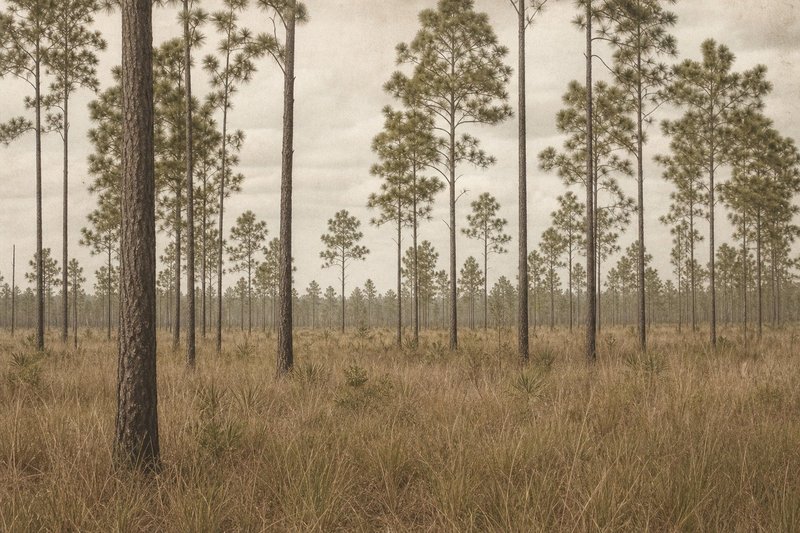
Croatan National Forest camping covers a genuinely unusual piece of ground — roughly 160,000 acres of pocosin bog, longleaf pine and tidal shoreline between the Neuse and White Oak rivers on the North Carolina coast.
This page covers the developed campgrounds, the dispersed backcountry options, the trails worth walking, and where to find a usable map.
01 — Where to stayCroatan National Forest camping: the developed campgrounds
The forest carries a handful of developed campgrounds alongside a great deal of open backcountry. Cedar Point sits near the White Oak River at the southern end; the Neuse River campground occupies the northern shoreline; and Oyster Point sits on the water toward the Newport River, favoured by people who arrive with a boat as well as a tent.
Backcountry camping needs no permit anywhere in the forest, which is the single most useful thing to know about Croatan National Forest camping. Along the Neusiok corridor, three trail shelters give the walk a natural two-night rhythm; elsewhere, dispersed sites are a matter of finding dry ground, which in the pocosin is less trivial than it sounds.
Fees and opening seasons change, and several sites reduce facilities outside the summer months. Confirm the current position with the Forest Service listing for Croatan National Forest rather than with any third-party page, this one included.
Field noteDry ground is the real constraint on dispersed camping here, not regulation. Scout a pitch before dusk rather than after.
02 — WalkingCroatan National Forest trails and hiking routes
The Croatan National Forest trails divide neatly into one long route and several short ones. The Neusiok Trail is the long one — 20.4 miles from the Neuse River to the Newport River, alternating pocosin and pine upland, with boardwalks over the wettest stretches.
The Weetock Trail covers the White Oak River side of the forest and sees a fraction of the traffic. Patsy Pond, near the Cedar Point end, is a short interpretive loop through longleaf pine and seasonal ponds that suits an hour rather than a day. Between them, the Croatan National Forest hiking trails cover most of what the forest has to offer on foot.
None of it is steep. What makes the walking distinctive is the habitat transition: the abruptness with which flooded shrub bog gives way to dry pine, sometimes within a few paces.
Taken together the Croatan National Forest trails suit a weekend rather than a week, which is how most people use them — one long walk plus a short one, or a night out on the Neusiok with a day of hiking either side. The Croatan National Forest hiking trails are all low-elevation and none of them require technical skill; the difficulty, such as it is, comes from water and insects rather than gradient. Combining a night of Croatan National Forest camping with a section walk is the pattern the shelters were built for.
03 — NavigationMaps for the forest, and how much you need one
A forest map matters less here than in the Uwharrie, because the Croatan trails are blazed and the road network is dense. Where a map earns its place is in the pocosin sections, where the tread braids around standing water and blazes can sit further apart than is comfortable.
Section maps for the Neusiok and Weetock routes, along with the forest-wide sheets, are collected on the maps page. The kiosk boards at the trailheads carry their own section map and are the most reliable place to find current closure notices, though their mileages are not always up to date — the kiosk page covers what those boards show.
04 — TimingHunting seasons, closures and when to come
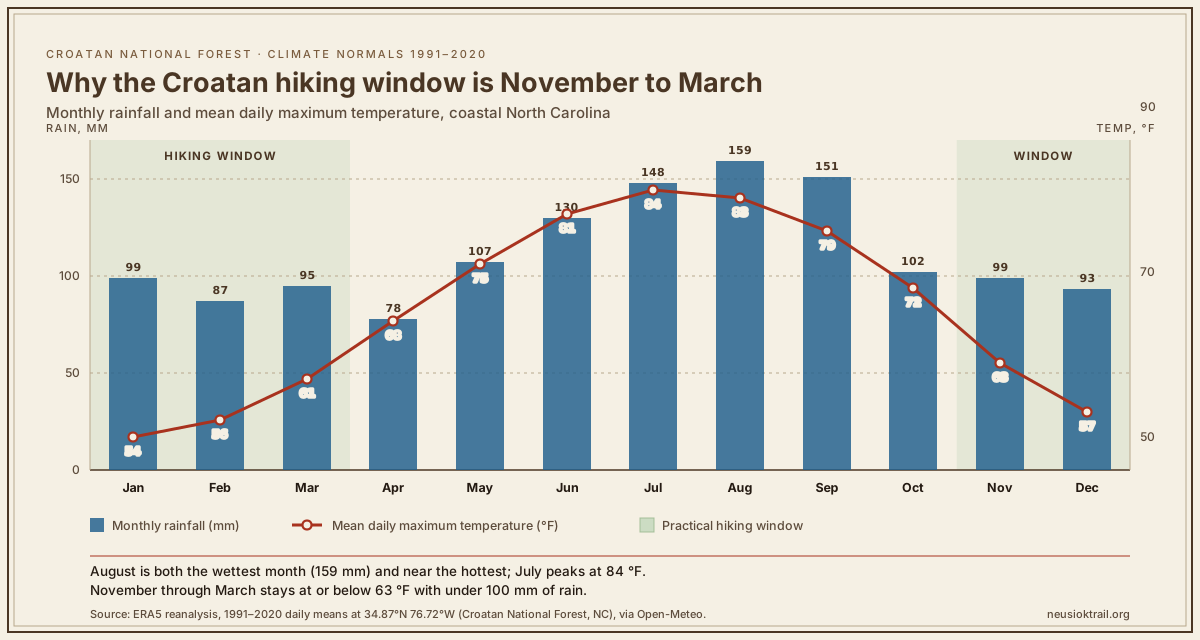
Two things shape the calendar. The first is weather: coastal-plain summer here is humid, hot and heavily populated with deerflies, mosquitoes and ticks, and the practical window runs from late autumn through early spring. The second is hunting, which is significant across the forest from autumn into early winter.
Storm damage closes sections from time to time, sometimes for months — the forest posts notices, and the trailhead boards usually carry them first. A month-by-month breakdown of heat, insects, standing water and hunting pressure sits on the when-to-hike page.
05 — QuestionsCommon questions about camping in the Croatan
Do I need a permit for Croatan National Forest camping?
No permit is needed for dispersed backcountry camping, which is one of the reasons the forest suits a spontaneous weekend. The developed campgrounds charge a fee and some close seasonally.
Which campgrounds have water and toilets?
The developed sites — Cedar Point, Neuse River and Oyster Point among them — carry more infrastructure than the backcountry shelters, but facilities vary by site and by season. Check the current Forest Service listing before relying on drinking water anywhere in the forest.
Can you camp along the Neusiok Trail itself?
Yes. Three trail shelters sit roughly a third apart along the route, first-come and first-served, and dispersed camping is permitted along the corridor.
What are the Croatan National Forest trails worth walking?
The Neusiok Trail is the long one at 20.4 miles. The Weetock Trail on the White Oak River side and the shorter Patsy Pond and Cedar Point routes cover the rest of the forest’s walking.
Is the forest open to hunting?
Yes, and it is well used. Autumn through early winter is the heaviest period; blaze orange is sensible and the season dates are published annually by the state wildlife commission.
When is the best time of year to visit?
Late autumn through early spring. Summer combines coastal-plain humidity with a serious biting-insect load, and the low-lying ground holds standing water for weeks after heavy rain.